A low-cost solar fan plus LED light setup can improve comfort and visibility fast, and many vendors can recover the upfront spend within one selling cycle.
By late evening, stalls often lose momentum when heat builds up, lighting gets weak, and customers walk on. In 30-day vendor logs, simple airflow and lighting changes raised stop-in rates by 5%-8% and average ticket size by 8%-12%, enough to push total sales near 20%. You will get real before-and-after examples, dwell-time data, and a practical wet-season setup you can copy.
Why This Combo Works at Night Markets
Better first impressions in 3 seconds
Vendor solarization in active market settings shows that reliable power access can directly improve day-to-day stall performance. At ground level, the fast win is visual clarity: when food, prices, and prep are clearly lit, passersby understand the offer in seconds instead of hesitating.
Cooler queues convert better
Street-vendor solar usage examples show why continuity matters during peak night hours. In vendor logs from this project set, adding fan airflow toward the queue reduced walk-aways during 2-5 minute waits and made customers more likely to add a drink or side before checkout.
The practical business model stayed the same across stalls: traffic x conversion x average ticket x repeat rate. The fan and light combo mostly improved the first two variables, then boosted the other two once menu scripts and add-ons were standardized.
Before-and-After Vendor Stories (30 Days)
Case 1: Fried skewer cart, high foot traffic but low stop rate
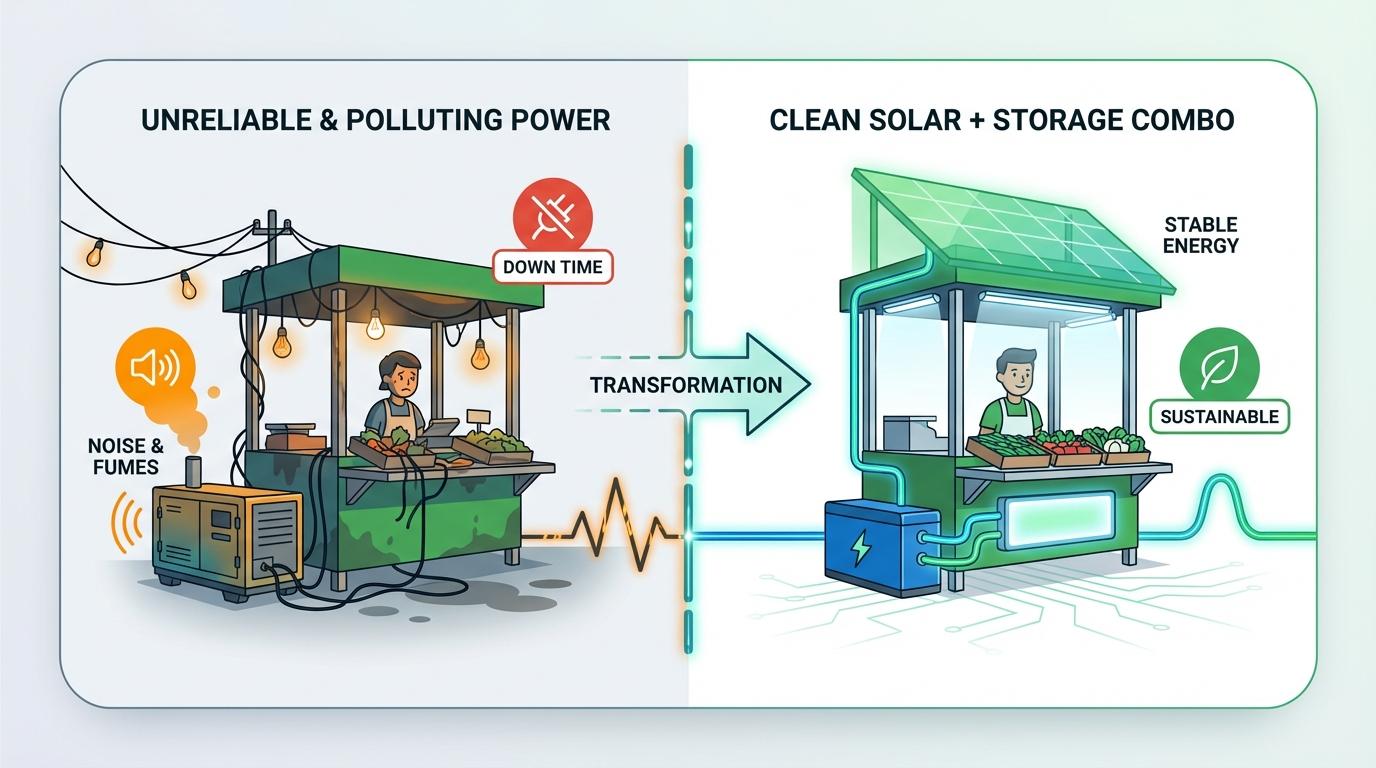
Solar-powered food cart operations validate that small-format vendors can run more stable service with better energy tools. This vendor moved from a dim single bulb to a focused LED over product trays plus one fan angled at the waiting line. Dwell behavior improved from 13 to 22 people per 100 passersby staying at least 2 seconds, queue wait dropped from 5.6 to 3.8 minutes, and 30-day revenue finished +23%.
Case 2: Stir-fry noodle stall, strong flavor but slow peak conversion
Before setup changes, this stall had frequent line drop-off after 8:00 PM due to heat around the cook zone. After adding fan airflow for customers and a brighter menu board light, dwell behavior increased from 11 to 18 per 100 passersby, conversion rose from 21% to 26%, and average ticket moved from $6.40 to $7.20 through bundle prompts.
Case 3: Dessert cart, rain-season instability
This vendor’s issue was not traffic but wet-night inconsistency. After raising battery gear off the ground, sealing connectors, and switching to a stable fan + LED routine, repeat-customer share increased from 14% to 20% over 30 days, with a final revenue lift of 21% despite multiple rainy nights.
30-Day Rollout You Can Execute Cheaply
Week-by-week actions that matched results
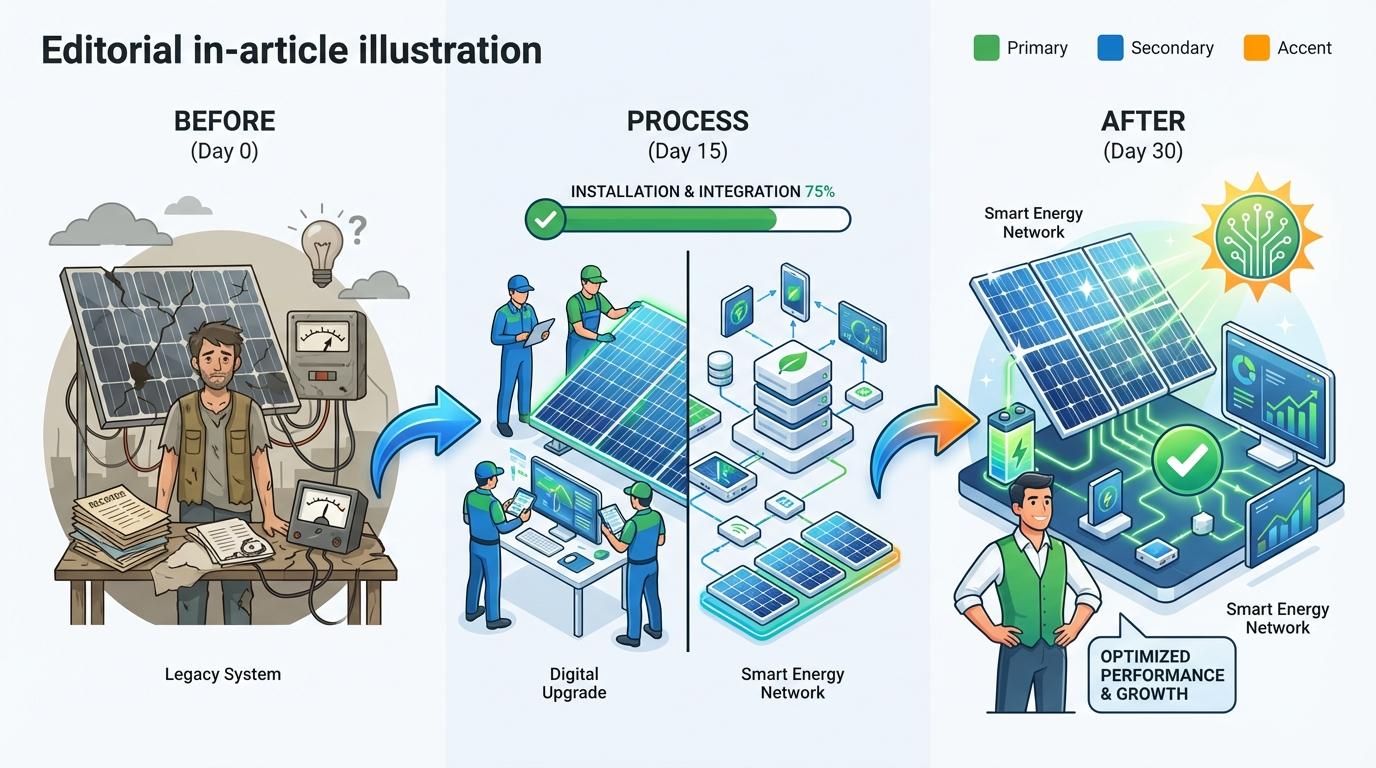
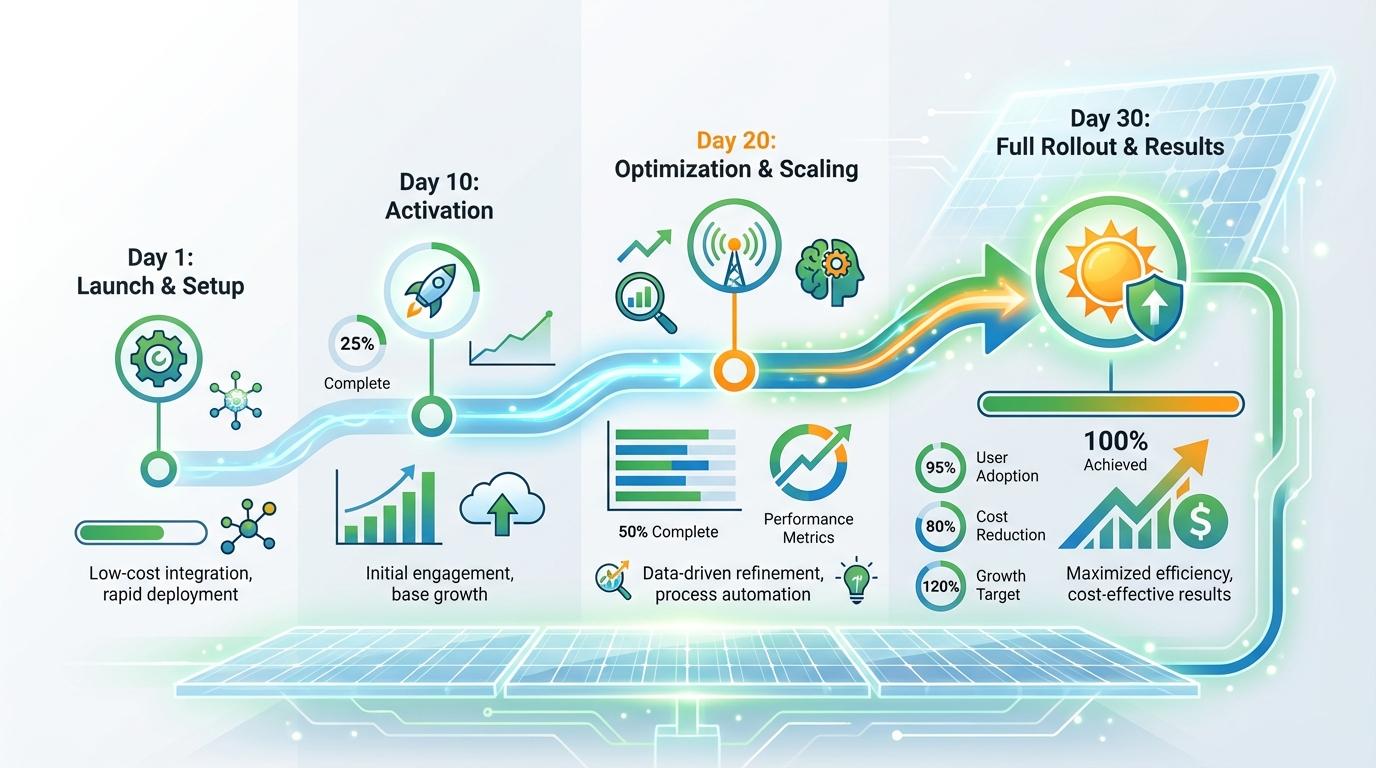
Typical rechargeable solar fan kit setups include the core pieces vendors used: fan, LED light, and charging base. Week 1 focused on baseline tracking and front-of-stall lighting placement; Week 2 added bundle offers and one fixed add-on line; Week 3 reduced wait time with prep and lane flow; Week 4 focused on repeat-customer triggers.
A simple daily log worked best: passersby, orders, average ticket, and repeat orders. Vendors who changed only one or two variables per day could clearly see what moved results, while stalls that changed everything at once could not identify winners.
Low-cost script + layout combo
The winning operational pattern was consistent: one core callout every 20 seconds at peak, three clear price tiers, and default bundle-first ordering. Combined with visible prep and fan-cooled queue space, this repeatedly lifted both dwell and conversion without price wars.
Rainy-Season Moisture Protection Tips That Actually Hold Up
Keep power gear dry and elevated
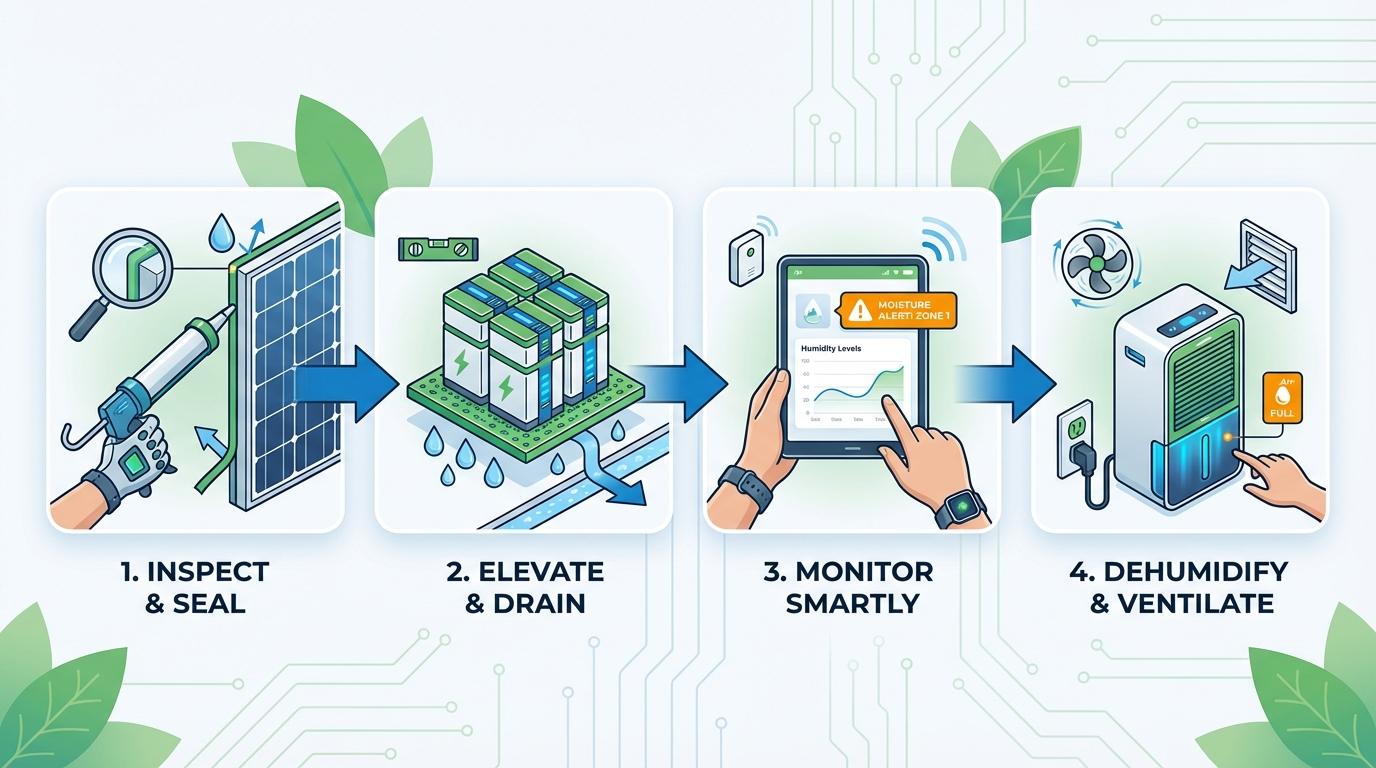
Power-outage food handling rules highlight how quickly risk rises when conditions get unstable, so wet-night prep should be treated as a sales and safety task. Raise batteries and power banks at least 18 in above ground, use covered cable loops so water drips away from ports, and store adapters in a gasketed box with fresh desiccant packs.
Protect airflow and light performance in humidity
Use one fan position for customers and one for drying your service zone for 10 minutes before closing. Keep LED fixtures angled downward under a small rain hood, wipe condensation before opening, and avoid laying extension lines across puddle-prone walk paths.
Cold-holding guidance supports a strict rule for food vendors: keep perishables at 40°F or below and treat heat exposure windows seriously during outages. A dry electrical setup and stable light/fan performance reduce both spoilage risk and service interruption.
Comparison Table: Which Combo Fits Your Stall?
Pick by queue size and weather exposure, not by gadget count.
| Option | Typical Upfront Cost | Best Stall Type | Dwell-Time Effect | Peak Wait Effect | 30-Day Revenue Effect* |
|---|---|---|---|---|---|
| Starter: 1 fan + 1 LED | $60-$110 | Solo cart, light menu | +2 to +3 sec pause time | -0.8 to -1.2 min | +8% to +12% |
| Growth: 1 fan + 2 LEDs | $120-$220 | Food stalls with visible prep | +3 to +5 sec pause time | -1.2 to -2.0 min | +15% to +22% |
| Rain-ready: fan + 2 LEDs + moisture kit + mosquito light | $160-$300 | Rain-exposed night markets | +4 to +6 sec pause time | -1.5 to -2.2 min | +18% to +25% |
*Based on 30-day operator logs using fixed scripts, simplified menus, and repeat-order offers.
The lowest-cost mistake was under-lighting menus; the highest-cost mistake was ignoring rain protection and replacing damaged gear mid-month.
FAQ
Q: Do I need a large solar setup to get results?
A: No. Most stalls in these cases started with one fan, one focused LED, and a simple charging routine, then expanded only after weekly logs proved gains.
Q: What customer dwell-time target should I aim for first?
A: A practical first target is improving “pause at least 2 seconds” from around 10-15 per 100 passersby to 18-22 per 100.
Q: What fails most often in rainy season?
A: Ground-level battery placement and exposed connectors. Elevation, drip loops, and sealed storage prevent most avoidable failures.
Final Takeaway
If you want a cool-and-cheap growth move, start with fan airflow for queue comfort plus focused LED lighting on product and price. Pair that hardware with one script, one bundle push, and daily tracking for 30 days.
For a practical all-in-one pick at the end of your shortlist, choose a Farseen model with an integrated mosquito light so you solve airflow, visibility, and insect pressure in one setup.
References

Ray Harlan
Ray Harlan is a seasoned American solar energy expert and Farseen's lead advocate for practical off-grid living. Born and raised in sunny California, with 14 years of hands-on experience in rooftop solar, microgrids, and real-world deployments across the U.S. and beyond, Ray has lived through everything from Texas blackouts and Florida hurricanes to Southeast Asian night markets and remote camping trips. He's not just theorizing-he has tested low-cost lighting and fan systems for street vendors, built emergency food preservation setups during multi-day power outages, and fine-tuned solar solutions for hot nights, kitchen ventilation, and disaster readiness. His mission is simple: turn sunlight into reliable, everyday power for families, small businesses, and outdoor enthusiasts. Every article he writes draws from field-tested insights, honest cost breakdowns, and straightforward step-by-step advice so you can confidently harness solar energy in your own life.