From Patios to Home Offices: Matching Fans to Your Environment
Enhancing Outdoor Living: Why Solar Pedestal Fans Excel on Patios and Decks
Designing a comfortable outdoor living space presents unique logistical challenges, particularly the difficulty of cooling a deck or patio without running hazardous extension cords across high-traffic areas. Solar pedestal fans offer a direct solution by providing complete cordless freedom. By utilizing high-efficiency solar panels with conversion rates up to 23% and robust internal batteries—often ranging from 15,000mAh to 18,000mAh—these units allow for optimal placement exactly where the breeze is needed most, regardless of outlet proximity.
Beyond convenience, the structural design of a pedestal fan is specifically engineered to combat the stagnant "boundary layer" of warm, humid air that often makes outdoor seating unbearable. While small desk fans lack the necessary power to break this layer in an open environment, pedestal models provide a longer vertical reach and typically push 1,000 to 2,000 Cubic Feet per Minute (CFM). This airflow facilitates the wind-chill effect, where moving air at 10 mph can make the environment feel 10 degrees cooler. Features like 90° oscillation ensure this cooling effect is distributed across the entire seating area rather than blowing in a single, narrow direction.
Practicality and durability are also central to the solar pedestal fan’s appeal. Unlike standard indoor fans that quickly degrade when exposed to the elements, these units incorporate weather-resistant materials and IP44 ratings to protect against splashes and rain. To mitigate the unpredictability of weather, many modern models feature dual-charging capabilities. They can be charged by an AC adapter within a few hours before an event, ensuring 10 to 12 hours of continuous working time regardless of cloud cover. Despite their power, quality units maintain an operational noise level of 60-70 decibels, and some even integrate mosquito repellent functions for a more comprehensive enhancement of the outdoor experience.
The Farseen Solar Fan (https://farseen.com/products/solar-fan) is ideal for eco-conscious households and outdoor patios, offering sustainable off-grid cooling with a durable brushless motor.
For households prioritizing both performance and sustainability, the Farseen Solar Fan serves as a specialized solution for off-grid cooling. The primary technical advantage of this unit lies in its brushless DC (BLDC) motor technology. Unlike traditional brushed motors, brushless designs eliminate carbon brushes, which are common points of mechanical failure and friction. By removing this internal resistance, BLDC motors can use 40% to 60% less energy while delivering quieter operation and significantly reduced mechanical wear. This efficiency is critical for maintaining high-velocity airflow without rapidly depleting the internal power reserve.
To sustain this motor, the system utilizes high-performance monocrystalline photovoltaic panels that achieve superior sunlight-to-energy conversion rates, typically between 18% and 22%. This allows the unit to harvest energy effectively even in suboptimal light conditions. While solar-powered devices are inherently subject to environmental dependencies such as cloud cover or shade, the Farseen model mitigates these risks through a dual-power approach. Integrated lithium-ion or LiFePO4 batteries—with capacities often ranging from 5,000mAh to 15,000mAh—store excess energy to provide 6 to 12 hours of continuous runtime on a single charge. For prolonged overcast periods, supplemental AC charging options ensure the fan remains functional regardless of the weather.
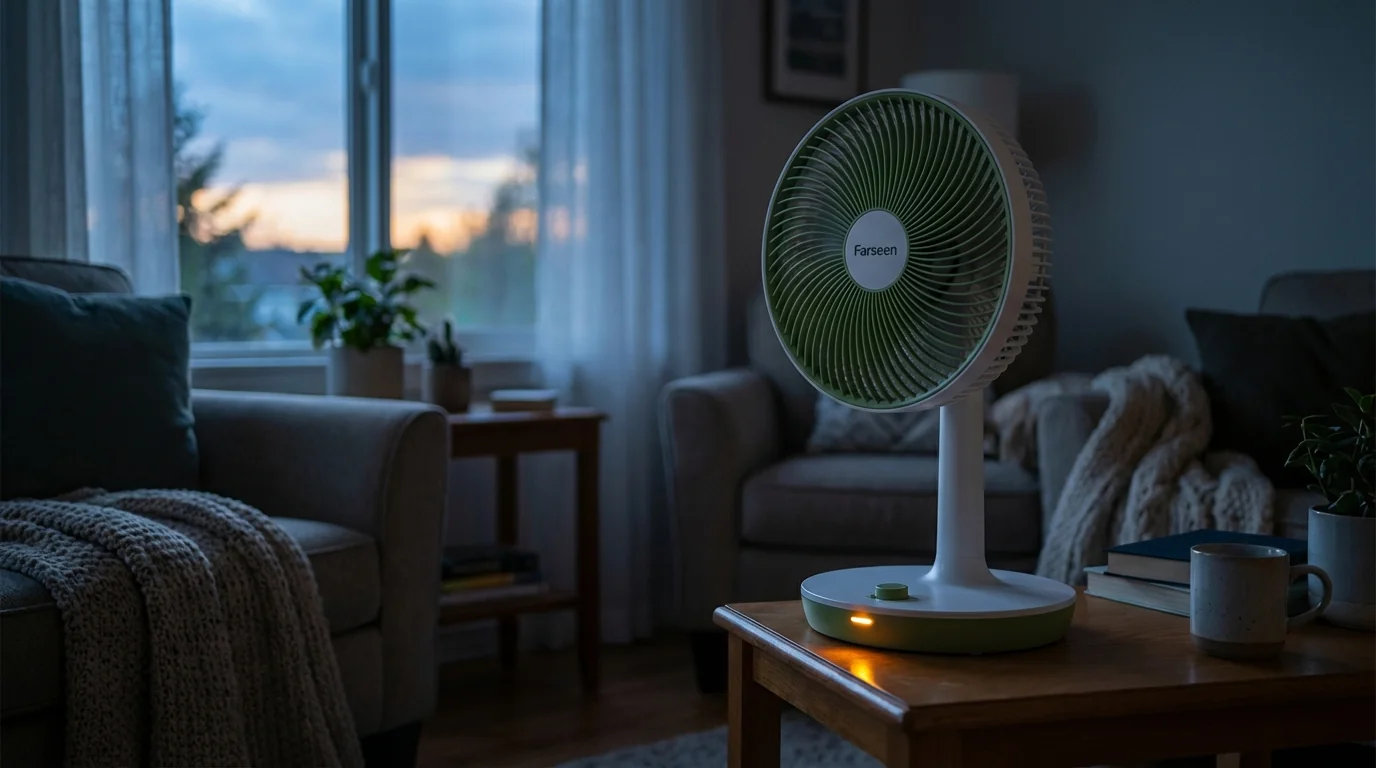
Ultimately, the transition to a brushless solar fan represents a strategic investment in long-term durability and eco-friendly living. By operating with zero emissions and eliminating the need for grid electricity, these units offer a measurable return on investment through reduced utility costs. For the modern patio or home office, it provides a reliable, cord-free cooling experience that matches the performance of traditional fans without the environmental or logistical drawbacks of standard plug-in models.
Personal Cooling: Optimizing Desk Fans for Workspace Productivity
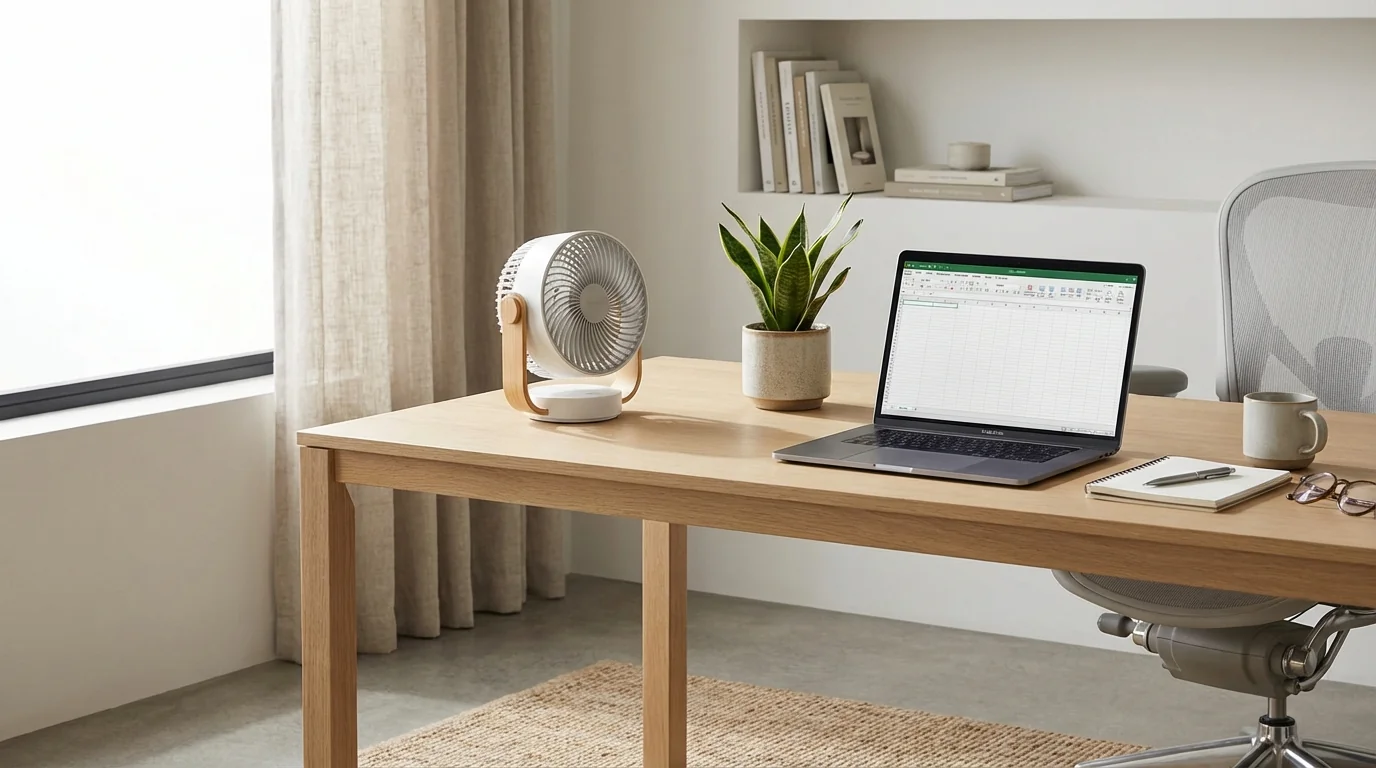
While large pedestal fans are unmatched for circulating air across expansive outdoor patios, the indoor workspace requires a much more delicate balance between thermal comfort and acoustic control. Thermal comfort directly correlates with intellectual productivity. According to a study by UC Berkeley, the best cognitive performance (as indicated by task speed) was obtained at 26 °C when subjects had access to a personally controlled fan, outperforming the typical, cooler office setpoint of 23 °C. Furthermore, introducing controlled, stimulative airflow can objectively enhance focus; research indicates that optimal airflow environments improve the Concentration Time Ratio (CTR) by 6.5%, raising it from 54.6% to 61.1%.
However, the data also highlights a critical performance barrier: noise. Mechanical fan noise is a frequent workplace complaint, and studies confirm that noise has a larger effect on working memory, sustained attention, and reaction time than air temperature. Because average office background noise typically ranges between 40–50 decibels (dB), introducing a loud fan can easily disrupt concentration. For high-concentration tasks, ambient noise should ideally be maintained at 35–40 dB. Therefore, an effective desk fan must operate below 35 dB on its lowest setting to provide cooling without becoming a cognitive tax.
To achieve these metrics, hardware selection and spatial positioning are vital. Desk fans equipped with brushless DC motors or bladeless designs are significantly quieter and more energy-efficient than traditional AC models, as they eliminate much of the mechanical friction and blade-tip turbulence. For optimal ergonomic results, the unit should be placed to the side and below monitor height to reduce noise perception at ear level. By aiming the breeze across the torso or forearms rather than directly at the face, you achieve the necessary thermal regulation to stay alert while avoiding the dry eyes and auditory fatigue associated with poorly positioned devices.
Emergency Preparedness: Using Solar Technology to Combat Heat During Power Outages
When natural disasters strike, power outages can last for weeks, making off-grid cooling a critical component of emergency preparedness. The statistical impact of grid failures is severe; for example, after Category 4 Hurricane Maria made landfall in Puerto Rico, 3.4 million citizens were left without electricity, and it took approximately three months to restore power to just 50% of consumers. During such extended blackouts, maintaining air circulation is vital to prevent heat exhaustion and heat stroke, particularly for vulnerable individuals relying on electricity-dependent medical devices such as CPAP machines or inflatable mattresses to prevent bedsores.
Traditional gas generators are often the default backup for many households, but financial and health metrics reveal significant drawbacks. Data from rural areas recovering from Hurricane Maria showed that families spent a median of $52.50 per week, and a mean of $81.70 per week, on generator fuel. Beyond the steep financial strain, generators produce disruptive noise and toxic fumes that can exacerbate asthma and other breathing disorders. Post-hurricane data indicated a 43% increase in deaths due to respiratory issues, a risk that is inherently mitigated by switching to emission-free solar alternatives.
In contrast, solar-powered emergency battery fans offer a measurable, data-backed advantage by operating silently and without grid reliance. Field studies of off-grid solar systems deployed during disaster relief found that users were able to operate their devices for a median of 8 hours per day. Specifically, tabletop solar battery fans can provide 6 to 12+ hours of continuous airflow on a single charge, recharging daily via sunlight to bypass fragile fuel supply chains. This transition to solar autonomy has been shown to result in better moods, less stress, and zero ongoing fuel costs during emergencies, presenting a statistically superior investment for long-term household safety.
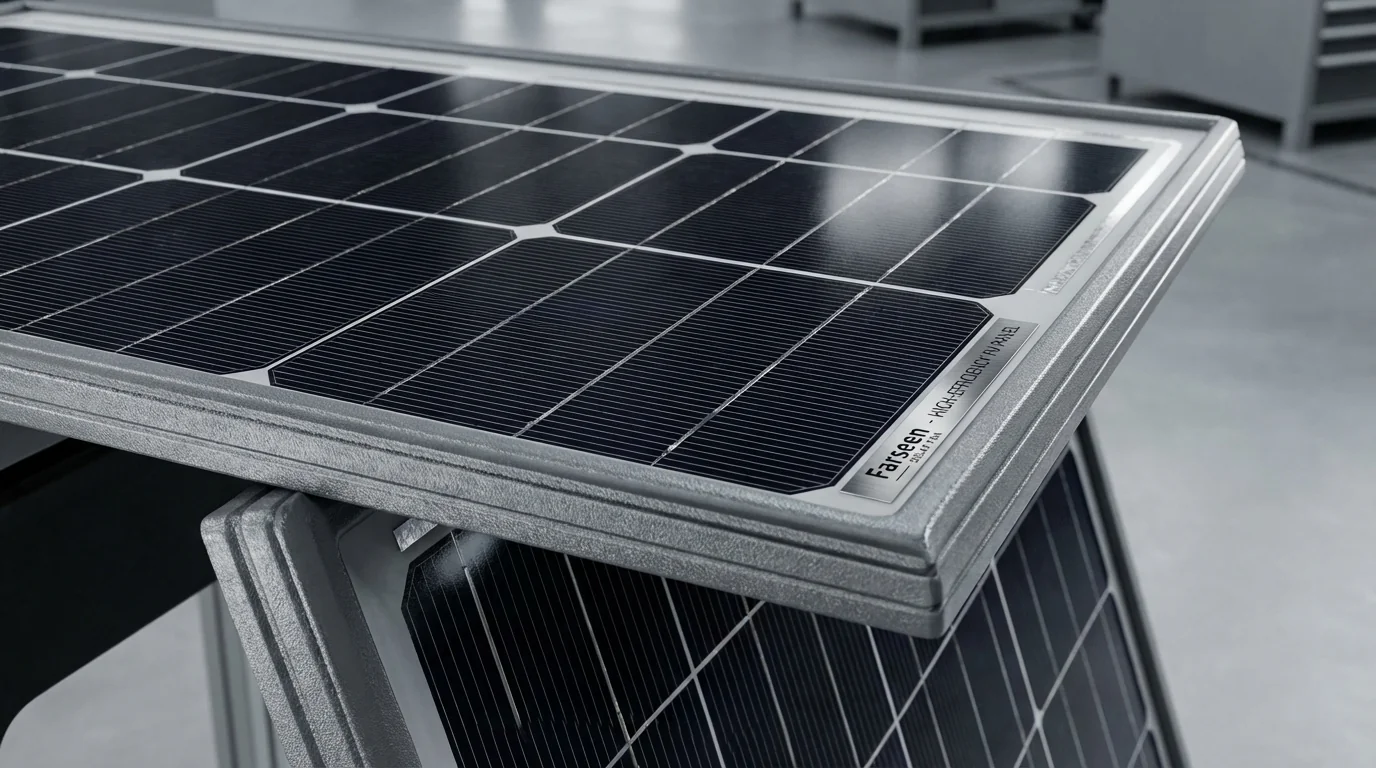
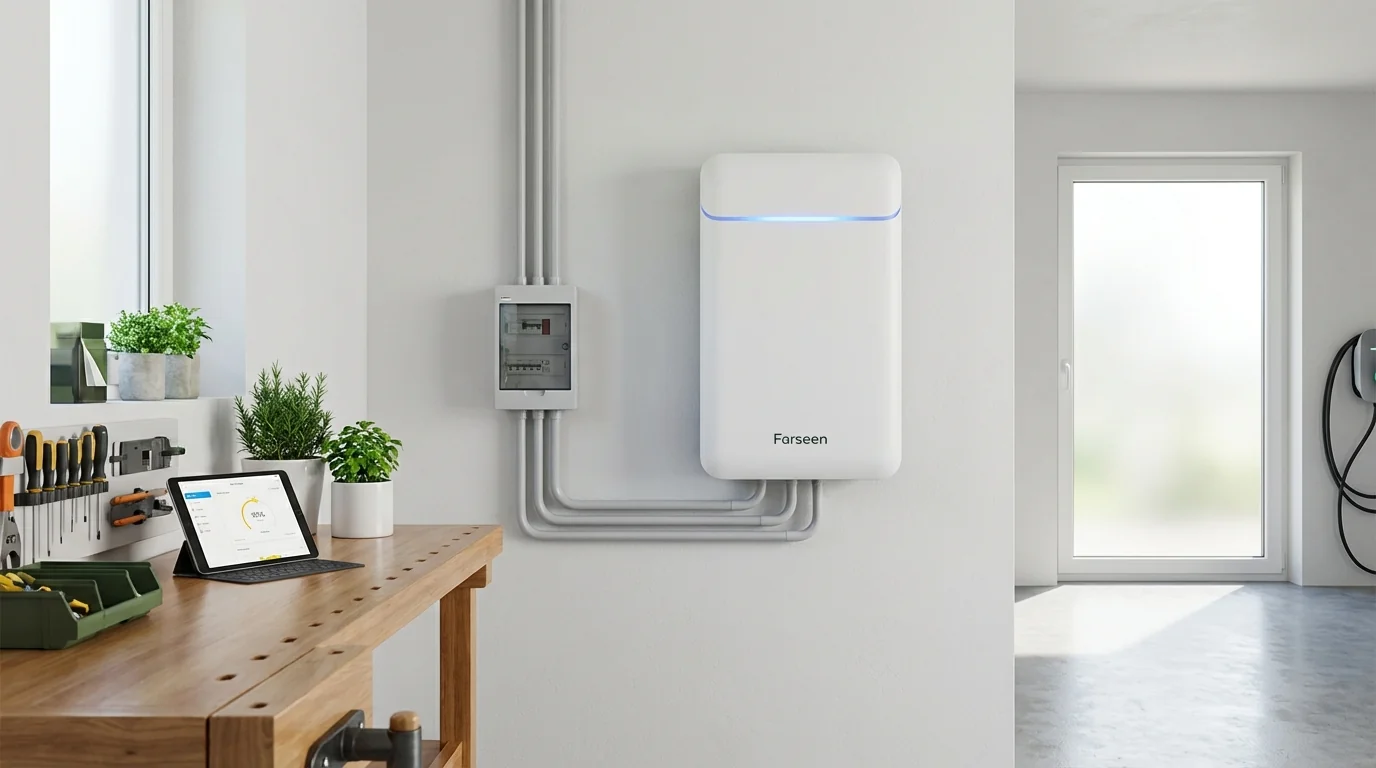
Pairing your solar setup with a high-capacity Farseen energy storage system (https://farseen.com/products/energy-storage) ensures your home stays powered even when the sun goes down.
While solar fans provide excellent daytime cooling, relying solely on direct sunlight leaves a critical gap in thermal comfort and household safety during the evening. Integrating a Farseen energy storage system into your residential solar setup bridges this gap by acting as a reliable reservoir for the surplus energy generated during peak daylight hours. The mathematical advantage of modern Lithium Iron Phosphate (LiFePO4) storage is substantial compared to older technologies. Unlike traditional lead-acid batteries that are limited to a 50% Depth of Discharge (DoD) to prevent permanent damage, high-capacity LiFePO4 systems safely offer 90-95% usable capacity.
To put this into perspective, powering essential household loads—such as a refrigerator, internet router, LED lighting, and several cooling fans—typically requires 4-7 kWh per day. A standard 75W fan running for four hours consumes approximately 300 Wh, meaning a single 5.12 kWh battery module can easily sustain multiple fans alongside critical appliances overnight. Furthermore, these modern storage units are engineered for longevity, frequently rated for ≥6000 cycles, which translates to over a decade of reliable daily cycling.
By calculating your total daily Watt-hours and factoring in a standard 10-15% efficiency loss for inverter conversion, you can precisely size a storage system that guarantees 24/7 autonomy. This transition to battery-backed solar power allows a household to maintain a cool, well-lit environment entirely off the grid, completely avoiding the disruptive noise and toxic fumes associated with traditional gas generators. Ultimately, pairing high-efficiency fans with robust storage ensures that your cooling strategy remains uninterrupted, regardless of external grid conditions or the setting sun.
Practical Next Steps
1. Calculate Your Power and Airflow Requirements
To transition from theory to operation, begin by quantifying your specific energy and cooling requirements. If you are integrating fans into an off-grid or battery-backed system, you must know the exact draw of your devices. For instance, a standard 40-watt pedestal fan running for 8 hours will consume around 0.32 kWh of electricity in a day, while a heavy-duty 220-watt industrial pedestal fan running for the same duration consumes 1.76 kWh. If you are utilizing these fans to ventilate larger enclosed spaces like a sunroom or garage, multiply the square footage by 0.7 to find the required CFM, ensuring the hardware is adequately sized for the environment.
2. Optimize Solar Panel and Battery Placement
Strategic placement is critical for both safety and efficiency. While solar panels require direct, unshaded sunlight to maximize harvest, the battery storage requires the opposite environment. Batteries must be installed in a dry space and cool environment with proper ventilation to prevent overheating and cell degradation. If you are installing a high-capacity whole-home battery to power multiple fans, ensure the mounting surface is structurally sound, as a 10kWh lithium battery may weigh over 80kg.
3. Establish a Preventative Maintenance Schedule
To maximize the lifespan of your investment, implement a strict maintenance routine focused on power efficiency and mechanical health. Solar panels are highly susceptible to environmental buildup; dust and grime can cut down their efficiency by around 30%, severely limiting the fan's runtime. Clean the panels regularly with a soft microfiber cloth to restore full power.
For the mechanical components of outdoor solar fans, apply lubricant to the motors every six months to reduce friction and prevent premature bearing failure. Finally, monitor the voltage of portable units; most users find it necessary to swap out the old battery somewhere around the three-year mark to ensure the system remains a reliable, cost-free asset for years to come.
Safety Disclaimer
The installation guides and DIY tips provided here are for informational purposes. Working with electrical systems, batteries, and installing equipment at heights (like rooftops) carries inherent risks. Always follow local building codes and manufacturers' safety instructions. If you are unsure about any step, especially regarding wiring or structural modifications, we strongly recommend consulting a qualified professional electrician or installer.

Ray Harlan
Ray Harlan is a seasoned American solar energy expert and Farseen's lead advocate for practical off-grid living. Born and raised in sunny California, with 14 years of hands-on experience in rooftop solar, microgrids, and real-world deployments across the U.S. and beyond, Ray has lived through everything from Texas blackouts and Florida hurricanes to Southeast Asian night markets and remote camping trips. He's not just theorizing-he has tested low-cost lighting and fan systems for street vendors, built emergency food preservation setups during multi-day power outages, and fine-tuned solar solutions for hot nights, kitchen ventilation, and disaster readiness. His mission is simple: turn sunlight into reliable, everyday power for families, small businesses, and outdoor enthusiasts. Every article he writes draws from field-tested insights, honest cost breakdowns, and straightforward step-by-step advice so you can confidently harness solar energy in your own life.